
Inherited & Outdated Properties in Perth: What to Check Before You Commit
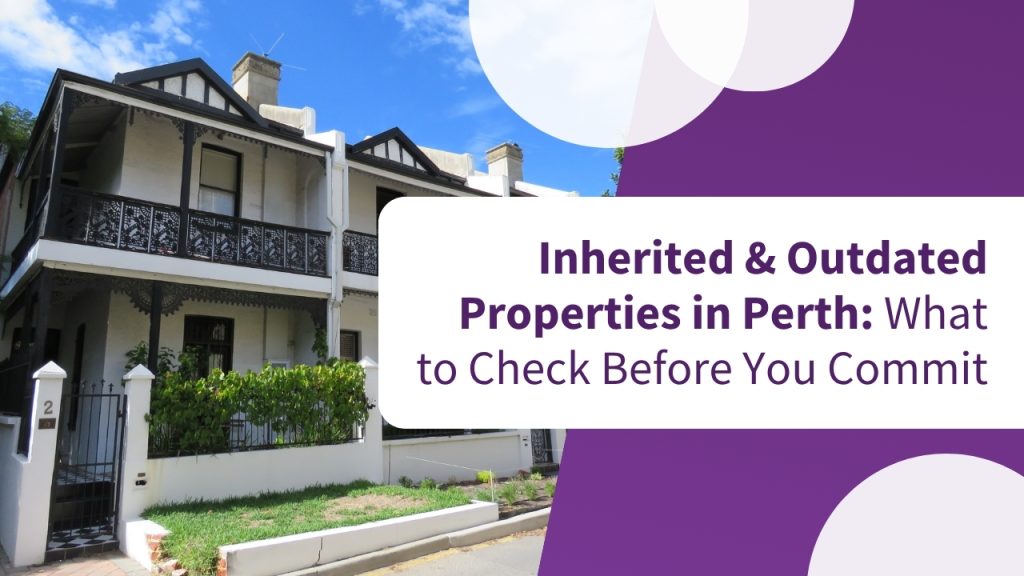
Inheriting a property is rarely straightforward. Alongside the emotional weight of losing someone close, there are legal, financial and practical decisions to work through, often under time pressure. One of the most significant is transferring the legal title from the deceased estate to the beneficiary, which requires careful documentation and coordination with WA authorities. At KDD Conveyancing, our residential conveyancing team has guided many Perth families through exactly this process, and we understand what is at stake at every step.
But inherited properties are not the only older homes that come to market in an as-is condition. There are several reasons this happens. A bank that has come into possession of a property through default or unpaid debt will often look to sell quickly to recoup losses, with little interest in renovating or updating before listing. Similarly, if no confirmed inheritor exists after an estate has completed its administration phase, the Western Australian Government may step in and list the property for sale as-is. In other cases, a deceased estate is simply passed on to an executor who elects to sell quickly, without making any updates.
Whether you are a beneficiary working through what comes next or a buyer considering one of these properties, understanding what you are taking on is essential before you commit.
The Legal Process for Inherited Properties
Because the original owner is no longer present, conveyancing for an inherited property works differently from a standard transaction. There are legal steps that need to be resolved before the title can be transferred, and we recommend seeking legal advice early to ensure these are handled correctly.
This typically involves confirming whether a grant of probate has been obtained from the Supreme Court of Western Australia or whether letters of administration are in place where no valid will exists. A lawyer is best placed to guide you through these steps.
How the property was owned will also affect the settlement process. If it was held in joint tenancy, ownership typically passes to the surviving owner. If held as tenants in common, meaning each person owns a defined share, the outcome will depend on the will or applicable laws. A solicitor can help clarify how ownership structure affects your specific situation.
Any debts secured against the property, such as a mortgage, will also need to be resolved before settlement can proceed. Where multiple parties are involved, a solicitor can help clarify how these are to be managed.
Once the legal steps are in order, the executor can lodge a Transmission Application with Landgate to formally transfer the title into the beneficiary’s name. This is where KDD Conveyancing steps in, managing the settlement process on your behalf to ensure accuracy and compliance throughout.
On the financial side, transfer duty and capital gains tax implications can vary depending on your circumstances. A tax accountant is best placed to advise on this.
Buying an Older or Deceased Estate Property: What to Look Out For
Deceased estates are regularly listed for sale in Perth, often as-is, with years of deferred maintenance and limited disclosure about the property’s condition. This is typically because the cost and time of updating and making repairs are not feasible for those in control of the property. Executors are frequently selling a home they have never lived in. This makes independent due diligence even more important for buyers.
A building and pest inspection is strongly recommended. For homes that have not been updated in many years, an inspection can uncover issues that are not obvious at first glance. Some of these could significantly affect your renovation budget or plans.
Common things to look for include:
- Structural and foundation issues: Cracks wide enough to fit a finger into can signal foundational movement, drainage problems or leaks that warrant closer investigation.
- Water and moisture damage: Musty smells or peeling paint can point to poor drainage or waterproofing, and these issues are costly to address if ignored.
- Pest damage: Termite activity is not always visible. A licensed pest inspector can identify damage to timber framing and other structural elements before you commit.
- Roof condition: Water stains on ceilings, missing/cracked tiles or damaged roof sheeting may indicate long-term water intrusion or weather damage.
- Electrical systems: Older wiring may not meet current safety standards or support modern energy demands. A qualified electrician should assess this before settlement.
- Hazardous materials: Homes built before 1990 may contain asbestos. This is worth investigating as part of your pre-purchase checks.
Be mindful that not all of these issues will be covered by standard building and pest inspection conditions, so specific advice is recommended to discuss your concerns prior to entering into the contract.
A conveyancer can guide you through the disclosure obligations that apply to older property sales in WA, helping ensure the process is handled correctly from both sides.
How KDD Conveyancing Can Help
Whether you have inherited a property and are working through what comes next or you are a buyer looking at a deceased estate or an older home, the settlement process involves more steps than a standard transaction, and those steps benefit from experienced, local guidance.
At KDD Conveyancing, we have helped many Perth families navigate exactly these situations. For beneficiaries, we understand this process often happens during a difficult time, and we handle the legal and administrative requirements with both care and efficiency. For buyers, we can help you understand what the title reveals, what searches apply and what to expect throughout settlement.
Western Australia has its own legislative framework, and having a conveyancer who knows it well makes a real difference. Get in touch with our team today so we can guide you through the process and take the complexity off your plate.